Exploring Angkor Wat Temple : A Traveler's Guide
Last updated on: 15th September, 2023
Are you ready to embark on a journey to one of the world's most awe-inspiring architectural wonders? Angkor Wat, nestled in the heart of Cambodia, beckons with its ancient mystique and unparalleled grandeur. Whether you're an intrepid explorer or a history enthusiast, a visit to Angkor Wat is an experience you'll treasure forever. In this comprehensive guide, we'll take you on a virtual tour of Angkor Wat, providing all the information you need to plan your adventure.
Angkor Wat, often referred to as the "City of Temples," is a sprawling temple complex located just outside the town of Siem Reap in Cambodia. It's the largest religious monument in the world and an architectural masterpiece that dates back to the 12th century. Originally built as a Hindu temple, it later transformed into a Buddhist sanctuary and has since stood as a symbol of both faiths.
Ticket Prices and Categories for Angkor Wat Temple Entry
Before you embark on your Angkor Wat adventure, let's talk tickets.
- 1-Day Pass: This pass costs $37 and is perfect for those with limited time.
- 3-Day Pass: Priced at $62, this pass allows you to explore at a more leisurely pace.
- 7-Day Pass: For the true temple aficionados, this pass costs $72 and provides access over an entire week.
Children under 12 years enter for free, while students between 12 and 17 years get discounted rates.
Pro tip: Tickets are available for purchase at the Angkor Archaeological Park's official ticket office, located a short distance from the complex's entrance.
Opening Hours of Angkor Wat Temple
Angkor Wat welcomes early birds and sunset chasers alike. Here are the opening hours:
- Angkor Wat: 5:00 AM to 6:00 PM
- Bakong: 5:00 AM to 6:00 PM
- Phnom Bakheng and Pre Rup: 5:00 AM to 7:00 PM
- Other Temples: 7:30 AM to 5:30 PM
Sunrise and sunset are prime times to visit Angkor Wat, offering stunning views and cooler temperatures. If you aim to witness the sunrise, be prepared to wake up early and arrive at the temple before 5:00 AM. Trust us; it's worth the effort.
Best Times to Visit Angkor Wat
Cambodia's climate plays a significant role in determining the best time to visit Angkor Wat. The dry season, from November to March, is the most popular period. During these months, you'll enjoy clear skies and comfortable temperatures, making for a pleasant exploration experience. The wet season, from May to October, sees frequent rains, which can create lush, green landscapes but also muddy pathways. The months of April and May are especially scorching, so be prepared for intense heat if you visit during this period.
Exploring Angkor Wat
Dress Code
Angkor Wat is a sacred site, so respectful attire is a must. Both men and women should cover their shoulders and knees. Loose, breathable clothing, a wide-brimmed hat, and comfortable shoes are your best companions. Don't forget sunscreen and insect repellent!
Navigating the Temple Complex
Angkor Wat is a vast expanse of temples, courtyards, and intricate carvings, and it's easy to get lost in its majesty. Start at the main entrance and work your way through the central temple, taking in the stunning bas-reliefs that depict scenes from Hindu mythology. Ascend to the upper level for panoramic views of the complex and the surrounding jungle.
Pro tip: Consider hiring a local guide to enhance your experience. They can provide historical insights and guide you through the maze of corridors and chambers.
Nearby Attractions
While Angkor Wat Temple is undoubtedly the star of the show, don't miss out on the other nearby temples and attractions within the Angkor Archaeological Park. Here are a few notable ones:
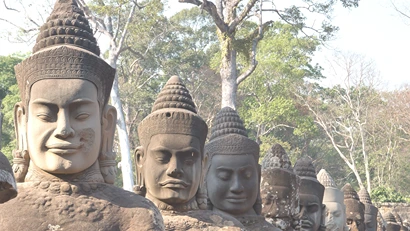
- Angkor Thom: Known for its massive stone faces at the Bayon Temple.
- Ta Prohm: Famous for the way tree roots have intertwined with temple ruins.
- Banteay Srei: Renowned for its intricate pink sandstone carvings.
Beyond Angkor Wat
Siem Reap, the gateway to Angkor Wat, offers more than just temple-hopping. Here are a few activities to consider:
- Tonlé Sap Lake: Explore Southeast Asia's largest freshwater lake and visit floating villages.
- Siem Reap Night Market: Shop for souvenirs and sample local street food.
- Cambodian Cuisine: Don't leave without trying traditional dishes like amok, fish curry, and crispy fried tarantulas (if you're feeling adventurous).
Conclusion
Angkor Wat isn't just a tourist attraction; it's a journey back in time to a civilization rich in culture and architectural marvels. Whether you're captivated by its intricate carvings or the spiritual aura that permeates the temples, a visit to Angkor Wat promises to be a memorable experience. So, pack your bags, follow our guide, and get ready to explore the wonders of Angkor Wat.